What Happened
Google has rolled out a detailed, multi-language cookie and data consent interface for its users. The interface explicitly outlines how Google uses cookies and data to:
- Deliver and maintain services.
- Track outages, spam, fraud, and abuse.
- Measure audience engagement and site statistics.
For users who click "Accept all," Google also states it will use data to:
- Develop and improve new services.
- Deliver and measure ad effectiveness.
- Show personalized content and ads based on user settings and past activity.
The alternative, "Reject all," limits data usage to non-personalized purposes influenced by current content, active search session, and general location. This update is part of a broader, global trend toward greater transparency and user control over data collection, driven by regulations like GDPR and evolving consumer expectations.
Technical Details: The Data Engine Behind AI
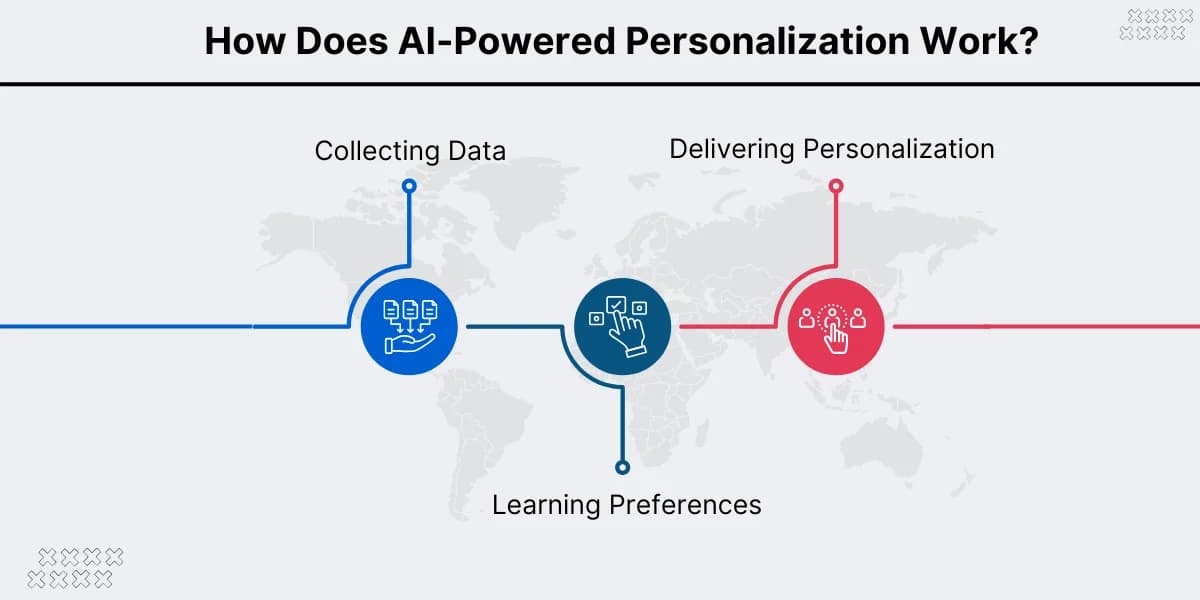
This user-facing policy change is the tip of the iceberg for the technical infrastructure that powers modern AI. Google's ecosystem—including its Gemini family of models and APIs—relies on vast, high-quality datasets for training and continuous improvement. Personalized AI services, such as recommendation engines, dynamic pricing models, and conversational agents, require understanding user behavior, preferences, and context.
The consent mechanism directly feeds into the data pipelines that enable these AI features. A user opting for "Reject all" creates a data gap, limiting the system's ability to build a detailed, individualized profile. This forces a reliance on weaker, session-based signals, which can degrade the performance and relevance of AI-driven experiences.
Retail & Luxury Implications: Personalization at a Crossroads
For luxury retail, where customer experience is paramount and data sensitivity is high, this shift is profoundly significant. The industry's push toward hyper-personalization—using AI for curated product discovery, one-to-one marketing, and bespoke digital services—is built on a foundation of consented customer data.
The core challenge is now stark: How do you deliver the white-glove, personalized digital experience expected of a luxury brand while respecting stringent data preferences that may limit the insights needed to power it?
- First-Party Data Becomes Non-Negotiable: Brands must accelerate strategies to build direct, trusted relationships where value exchange for data is explicit. Loyalty programs, exclusive content, and personalized services must be compelling enough for customers to opt-in willingly.
- Contextual and Session-Based AI Gains Importance: AI models must become more adept at inferring intent from limited, real-time signals (e.g., current browse session, general location, device type) rather than deep historical profiles. This could involve greater use of Retrieval-Augmented Generation (RAG) systems that dynamically pull from product catalogs and brand knowledge without relying on personal history.
- Privacy-Preserving AI Techniques Are Essential: Technologies like federated learning (training models on-device without exporting raw data) and differential privacy (adding statistical noise to datasets) will move from research topics to implementation priorities for tech teams at luxury houses.
- The Cost of AI Personalization May Rise: As obtaining high-quality, consented data becomes more challenging, the operational cost of maintaining peak AI performance could increase. Brands may need to invest more in synthetic data generation or advanced inference techniques to compensate.
This environment negates any notion of "luxury exceptionalism" in data practices. Luxury brands are subject to the same regulatory and platform constraints as mass-market retailers, but are held to a higher standard of customer trust and experience. The winners will be those who architect AI systems that are both sophisticated and privacy-respectful by design.