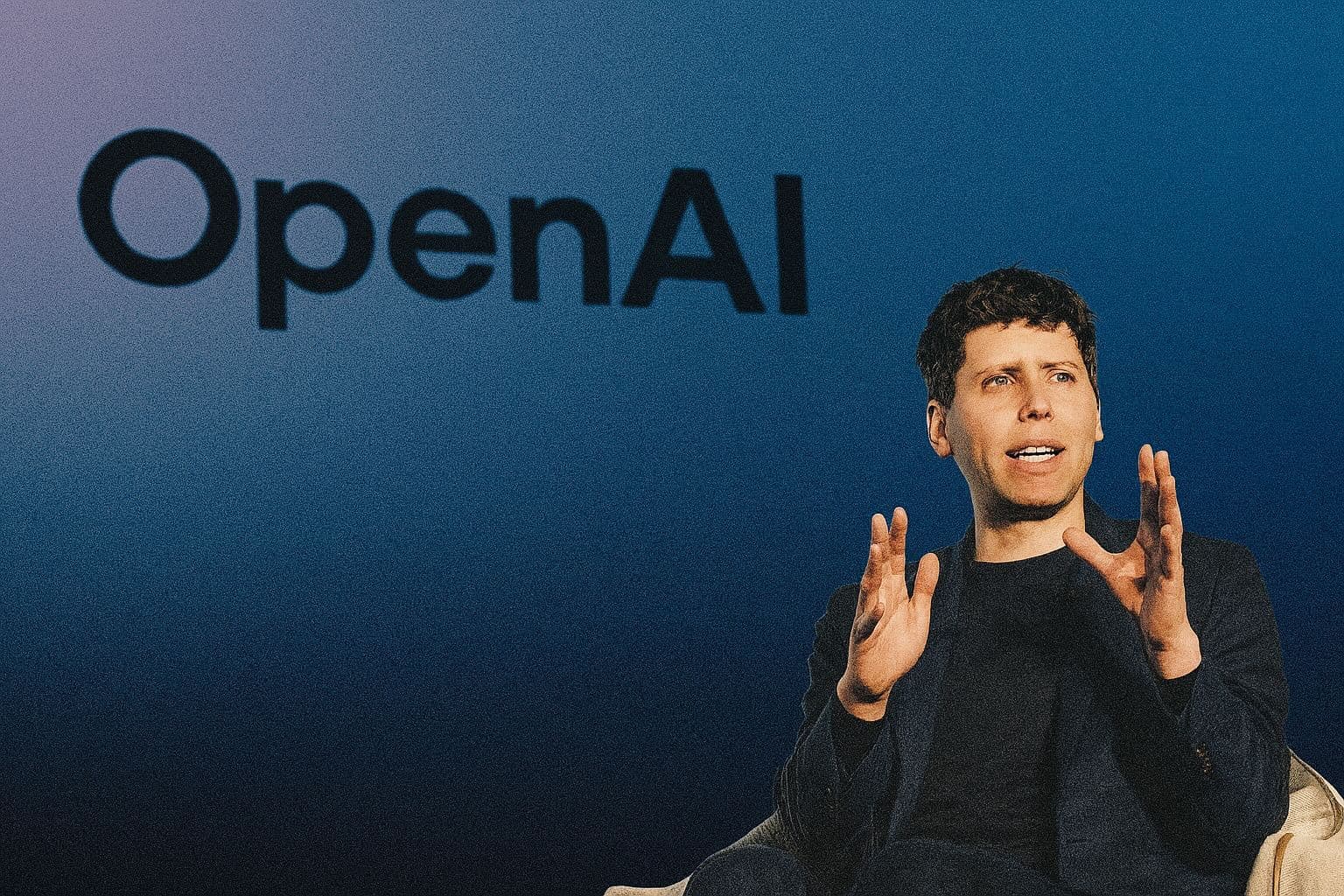
April 2, 2026 — OpenAI has made its first media acquisition, purchasing the online technology talk show TBPN, according to reports from Bloomberg and Forbes. The deal represents a departure from OpenAI's traditional focus on AI model development and marks a strategic move into content ownership and narrative control.
What Happened
OpenAI, the AI research organization behind ChatGPT and GPT-5.2 Pro, has acquired TBPN, a technology-focused podcast and talk show. While financial terms were not disclosed, the acquisition represents OpenAI's first direct investment in media properties.
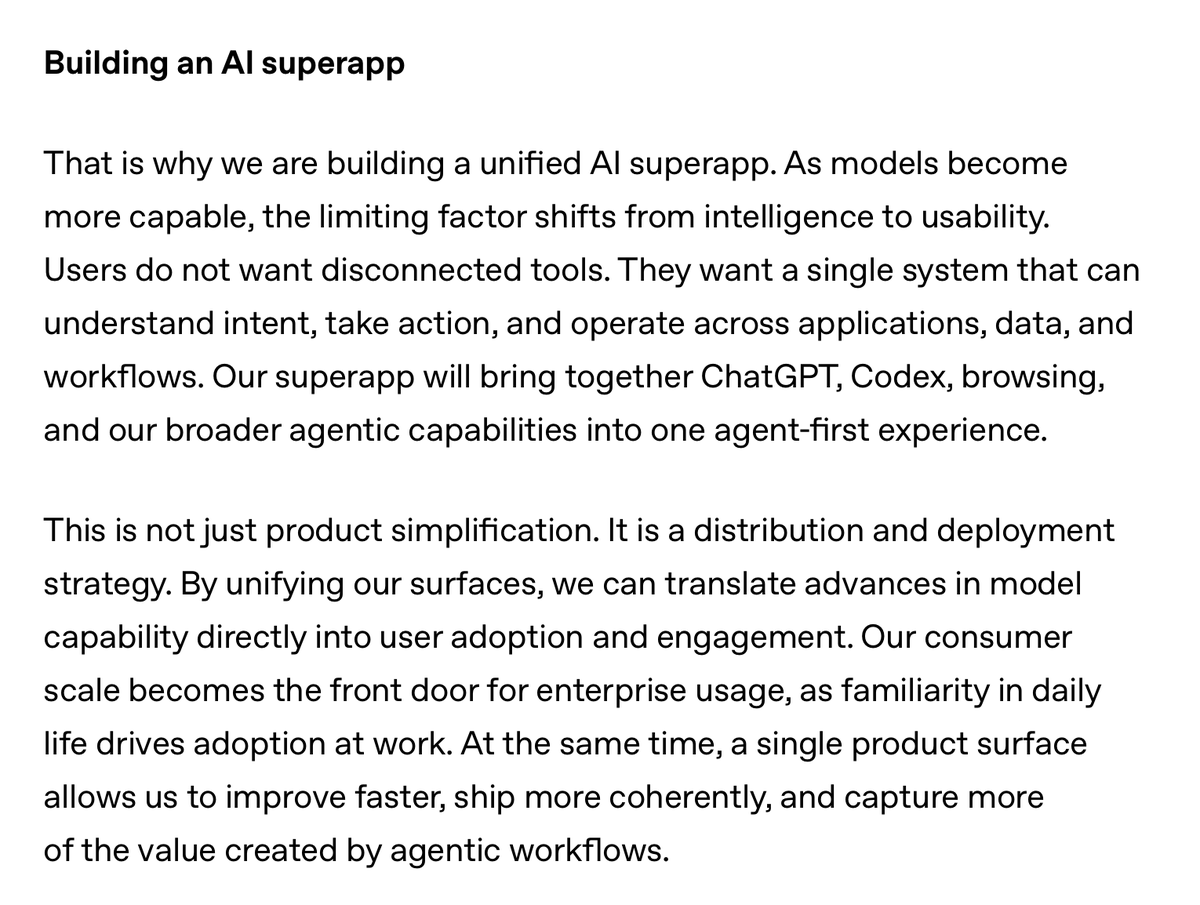
According to Bloomberg's reporting, this is an "unusual purchase for the artificial intelligence model developer" that appears aimed at "driving the conversation around AI." The Information's analysis suggests the move represents a pivot in strategy: "Instead of using AI to generate videos, OpenAI wants to use videos to drive AI adoption."
Context and Timing
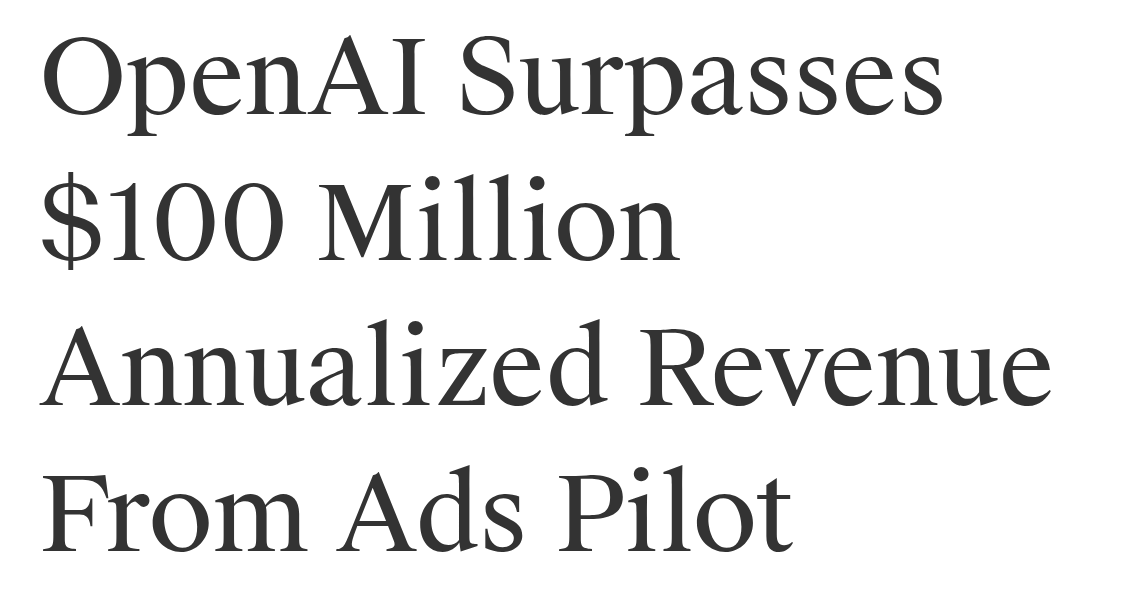
This acquisition comes during a period of significant activity and growth for OpenAI. Just days ago, on March 31, 2026, OpenAI closed a massive $122 billion funding round at an $852 billion valuation, led by Amazon, Nvidia, and SoftBank. The company also recently revealed it has reached $2 billion in monthly revenue with over 900 million weekly users.
The timing is notable given OpenAI's recent strategic moves. The company recently launched an agent development kit and is reportedly positioning for a public offering, with multiple sources suggesting an IPO is imminent this year.
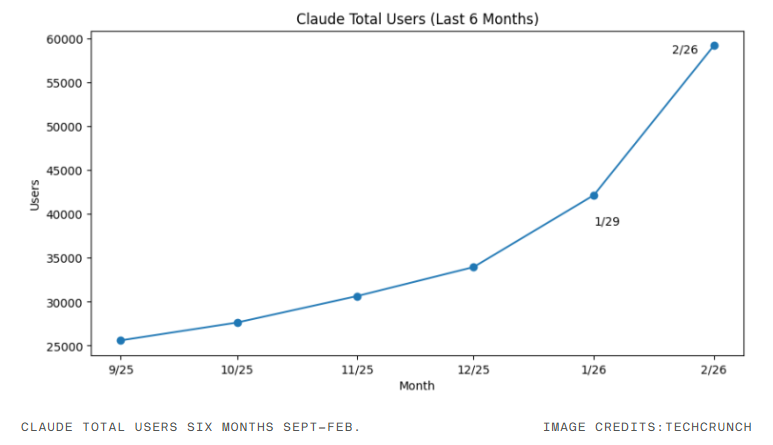
This media acquisition follows OpenAI's reported but unsuccessful attempt to acquire the ClawdBot/OpenClaw robotics project on March 29, 2026, which was declined. It also comes amid ongoing competition with rivals like Anthropic, which we reported yesterday is scrambling to contain a major source code leak for Claude Code.
Strategic Implications
The TBPN acquisition represents several strategic shifts for OpenAI:
Narrative Control: By owning a media platform, OpenAI gains direct influence over how AI technology is discussed and framed in public discourse.
Content Strategy: Rather than relying solely on AI-generated content (like the now-shuttered Sora video generation project), OpenAI is investing in human-produced content that can showcase and explain its technology.
Distribution Channel: TBPN provides a built-in audience and distribution network for OpenAI's messaging, product announcements, and educational content.
Competitive Positioning: In a landscape where AI companies increasingly compete for developer mindshare and public perception, owned media represents a new battleground.
The Broader Media Landscape
OpenAI's move into media ownership follows broader trends in the technology sector, where companies like Amazon (which owns The Washington Post) and Salesforce (which owns TIME) have made strategic media investments. However, this represents the first major media acquisition by a pure-play AI company.
The acquisition also comes as traditional media organizations increasingly partner with or license AI technology. OpenAI's relationships with publishers have been complex, ranging from licensing agreements to legal disputes over training data.
What TBPN Brings to OpenAI
While specific details about TBPN's audience size and format weren't provided in the source material, technology talk shows typically feature interviews with industry leaders, product demonstrations, and discussions of technical trends. For OpenAI, this provides:
- A platform for executives like Sam Altman to communicate directly with technical audiences
- A channel for showcasing new AI capabilities and use cases
- A venue for educating developers and businesses about OpenAI's products
- A means of shaping the narrative around AI safety, capabilities, and applications
Potential Challenges and Questions
The acquisition raises several questions:
- Editorial Independence: How will TBPN maintain journalistic integrity while being owned by the subject it covers?
- Competitive Coverage: Will TBPN continue to cover competitors like Google's Gemini, Anthropic's Claude, or Meta's AI initiatives fairly?
- Regulatory Scrutiny: Could this acquisition draw additional regulatory attention to OpenAI's growing influence across multiple sectors?
- Audience Trust: Will listeners trust content produced by an OpenAI-owned entity the same way they would independent media?
gentic.news Analysis
This acquisition represents a significant evolution in OpenAI's corporate strategy, moving beyond pure technology development into media and narrative control. The timing is particularly revealing—coming immediately after OpenAI's massive $122 billion funding round and amid IPO preparations, this suggests the company is building a more comprehensive ecosystem ahead of going public.
From a competitive standpoint, this move creates a new dimension in the AI wars. While Anthropic, Google, and Meta compete on model capabilities and developer tools, OpenAI is now competing on narrative and education. This aligns with a trend we've observed where AI companies increasingly recognize that adoption depends not just on technical superiority but on understanding and trust.
The acquisition also reflects OpenAI's response to the challenging media landscape it has navigated. After numerous controversies around training data, copyright issues, and AI safety debates, owning a media property gives OpenAI more control over how these complex topics are framed and discussed. This is particularly relevant given that OpenAI appeared in 46 articles across our coverage just this week, indicating intense media scrutiny.
Interestingly, this media move comes as OpenAI continues to expand its product ecosystem. With GPT-5.2 Pro, GitHub Copilot, and recently launched agent development tools, the company now has multiple products that need explanation, demonstration, and advocacy. TBPN could serve as a powerful channel for this educational content.
However, the success of this strategy will depend on execution. Media acquisitions by technology companies have mixed track records, and maintaining audience trust while advancing corporate interests presents inherent tensions. OpenAI will need to navigate these carefully, especially as it faces increasing regulatory scrutiny and competitive pressure.
Frequently Asked Questions
What is TBPN?
TBPN is an online technology talk show and podcast that focuses on technology trends, products, and industry developments. While specific audience metrics weren't provided in the source material, it appears to be a established enough property to warrant acquisition by OpenAI as their first media purchase.
Why would OpenAI buy a media company?
OpenAI is acquiring TBPN to gain more control over the narrative around artificial intelligence, create a direct channel for educating developers and businesses about its products, and drive AI adoption through owned content. This represents a strategic shift from purely developing AI models to also shaping how those models are understood and discussed in the market.
How does this fit with OpenAI's other recent activities?
This acquisition follows OpenAI's massive $122 billion funding round, revelation of $2 billion in monthly revenue, and preparations for an IPO. It represents part of a broader ecosystem-building strategy that includes product development (GPT-5.2 Pro, agent kits), partnerships (with Microsoft), and now media ownership to support growth and public offering preparations.
Will this affect how OpenAI is covered in other media?
Potentially yes. By owning a media property, OpenAI gains additional leverage in media relationships and can use TBPN to set narratives that may influence broader coverage. However, the actual impact will depend on TBPN's credibility and reach compared to established independent media outlets covering technology.