The Announcement
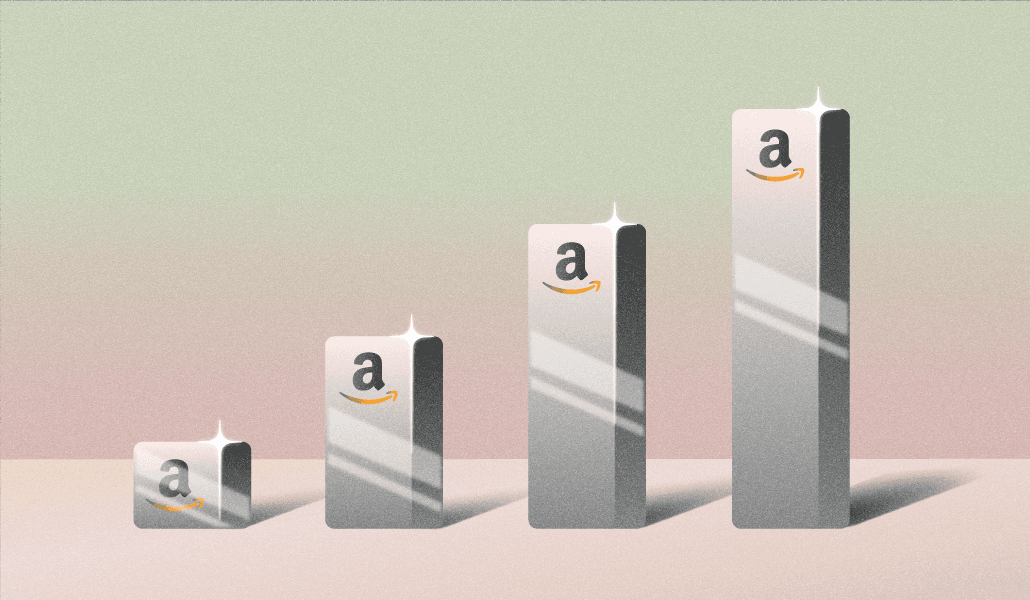
Amazon has informed its third-party sellers that it will implement a 3.5% fuel and logistics surcharge on their fulfillment fees, effective April 17, 2026. The surcharge applies to Fulfillment by Amazon (FBA) services in the U.S. and Canada, as well as some cross-border and Buy With Prime services. According to the company, the fee will average about $0.17 per unit in the United States and is calculated as a percentage of the fulfillment fee, not the item's sale price.
In a statement to sellers, Amazon cited "elevated costs in fulfillment and logistics" driven by rising fuel prices, which have been exacerbated by geopolitical tensions in the Middle East and the closure of the critical Strait of Hormuz shipping route. The company stated it had absorbed these costs so far but now needs to recover a portion through this temporary measure.
Why This Matters for Retail & Luxury
For any brand or retailer selling on Amazon—a channel critical for many luxury groups' diffusion lines and beauty divisions—this is a direct hit to unit economics. Over 60% of goods sold on Amazon are from third-party sellers, making this a widespread operational cost increase. While Amazon spokesperson Ashley Vanicek claimed the surcharge is "meaningfully lower" than those of other major carriers like the U.S. Postal Service (which announced an 8% temporary hike), the lack of a defined end date raises concerns. Industry voices, like Noah Wickham of My Amazon Guy, warn that such fees can "slowly whittle away" profits and may become permanent, forcing a strategic reassessment of marketplace reliance.
For luxury houses, which often use Amazon for more accessible product categories or in specific regions, this surcharge adds another layer of complexity to channel profitability calculations. It arrives atop other recent fee increases and follows Amazon's announcement last year of higher fulfillment fees scheduled for 2026.
Business Impact
The immediate impact is a compression of seller margins. For a merchant with $1 million in annual FBA fees, this surcharge adds $35,000 in direct cost. While seemingly small per unit, it accumulates rapidly at scale and arrives when many sellers are already navigating tight margins, potential tariff pressures, and broader economic uncertainty.

This move continues a trend where fee revenue is a massive and growing profit center for Amazon. In 2025, the company earned over $172 billion from seller fees, an 11% year-over-year increase. This surcharge represents a mechanism to directly pass volatile external costs (fuel) to sellers, insulating Amazon's own logistics profitability.
Implementation & Strategic Response
Technically, sellers need to do nothing; the surcharge will be automatically applied. The strategic response, however, requires analysis. Brands must:
- Recalculate Unit Economics: Update P&L models for every Amazon SKU to understand the true margin impact.
- Evaluate Channel Mix: Assess whether the increased cost diminishes Amazon's attractiveness compared to direct-to-consumer (DTC) channels, wholesale partners, or other marketplaces.
- Review Pricing Strategy: Consider if a price increase is feasible without damaging conversion rates, a delicate balance in competitive categories.
- Optimize Logistics: Explore if adjusting inventory placement or shipment strategies within FBA can offset some of the per-unit fee impact.
Governance & Risk Assessment
The primary risk is profit erosion for sellers. A secondary, longer-term risk is platform dependency. As Amazon continues to exert pricing power over its logistics ecosystem, sellers face the classic marketplace dilemma: immense reach coupled with limited control over core cost drivers. The "temporary" label offers little comfort without a sunset clause, creating financial planning uncertainty.
For luxury brands, whose margins are typically higher but whose brand equity is paramount, the calculus differs. The cost increase may be more manageable, but the principle of ceding economic control to a platform may accelerate internal discussions about channel diversification and investment in owned digital infrastructure.