The Innovation — What the source reports
While the full article text is not accessible in the provided source, the title and context from BizTech Magazine clearly indicate a focus on the practical application of computer vision technology in the retail sector, specifically for loss prevention. This is not a speculative research paper but a report on an active, commercial transformation.
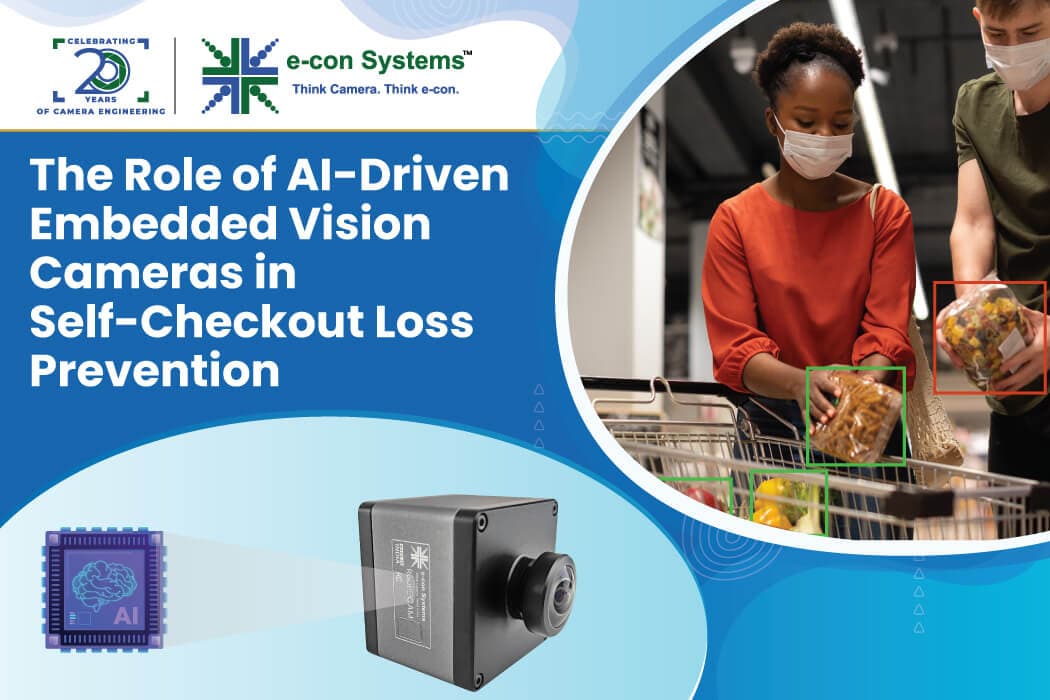
Computer vision for loss prevention involves deploying camera systems with integrated AI models that can analyze video feeds in real-time. These systems go beyond simple recording to detect specific, suspicious behaviors: identifying shoplifting actions like concealment, monitoring for "sweethearting" at checkout (where an employee intentionally fails to scan items), tracking high-traffic areas for potential organized retail crime (ORC) patterns, and even analyzing customer flow to identify blind spots where theft is more likely to occur.
Why This Matters for Retail & Luxury
For luxury and high-value retail, loss prevention is not merely an operational cost—it's a critical defense of margin and brand integrity. Shrinkage, which includes theft, fraud, and administrative error, represents a direct hit to profitability. In luxury environments, the stakes are higher per item. The theft of a single handbag can equate to the loss of dozens of items in a mass-market context.
Computer vision systems offer a multi-faceted solution:
- Proactive Deterrence & Intervention: Real-time alerts allow security or staff to intervene during an incident, potentially recovering merchandise and creating a visible deterrent.
- Inventory Intelligence: Beyond theft, these systems can provide data on how products are handled, how long they remain on display, and customer interaction patterns, feeding back into merchandising and supply chain decisions.
- Staff and Customer Safety: By monitoring for aggressive behavior or unusual crowd formation, AI can help ensure a safer environment for everyone.
- Operational Efficiency: Automating the monitoring of endless video feeds reduces the burden on human security teams, allowing them to focus on verified alerts and higher-value tasks.
Business Impact
The impact is primarily measured in reduced shrinkage. While specific ROI percentages from the source are unavailable, industry reports consistently show that AI-powered loss prevention systems can reduce shrinkage by significant double-digit percentages. For a global luxury group, this can translate to tens or hundreds of millions of dollars annually in recovered margin. Furthermore, the data generated provides ancillary benefits for store layout optimization and labor scheduling.
Implementation Approach
Implementing such a system requires a clear strategy:
- Infrastructure Assessment: Stores need adequate camera coverage and network bandwidth to stream high-quality video to on-premise or cloud processing units.
- Model Selection & Training: Off-the-shelf models for generic object and action detection exist, but maximum efficacy for luxury retail often requires fine-tuning on proprietary data to recognize specific high-risk products and subtle, brand-specific fraudulent behaviors.
- Integration with Existing Systems: The vision system must integrate with existing POS data, inventory management platforms, and security systems to create a unified alerting and reporting dashboard.
- Privacy & Compliance: This is paramount, especially in Europe under GDPR and similar regulations globally. Implementation must involve clear data handling policies, possible anonymization techniques, and transparent communication about surveillance where legally required.
Governance & Risk Assessment
Primary Risks:
- Privacy Violations: Indiscriminate surveillance and data collection can damage customer trust and invite regulatory fines.
- Algorithmic Bias: Models trained on non-representative data may disproportionately flag individuals from certain demographics, leading to accusations of discrimination.
- False Positives: An overly sensitive system can overwhelm staff with alerts, leading to alert fatigue and wasted resources.
- Technical Reliance: Over-dependence on the system could lead to a degradation of human observational skills and judgment.
Maturity Level: The technology is commercially mature and deployed at scale by major retailers. The current evolution is towards more sophisticated, multi-modal systems that combine vision with other data streams (e.g., RFID, POS anomalies) for higher accuracy and lower false-positive rates.
gentic.news Analysis
This report on computer vision for loss prevention fits into a broader pattern of AI moving from customer-facing applications (like recommendation engines) to core operational and defensive functions within retail. The Knowledge Graph Intelligence shows that Google, a key player in AI infrastructure and cloud services (via Google Cloud), has been intensely active in this space. While this article doesn't mention Google, the underlying computer vision models often run on infrastructure from cloud giants like Google, AWS, and Azure. Google's recent launch of more affordable Gemini API tiers (as we covered in "[Google Launches Gemini API 'Flex' & 'Turbo' Tiers, Cuts Standard Pricing by 50%](slug: google-launches-gemini-api-flex)") and its open-source Gemma models lower the barrier to entry for developers building specialized vision applications for retail.
The trend of Google appearing in 32 articles this week underscores its central role in providing the tools and platforms that enable these industry-specific solutions. For retail AI leaders, the lesson is twofold: first, the core technology for advanced loss prevention is now accessible and reliable. Second, the critical differentiator will not be the generic model, but the proprietary data and domain expertise used to tailor it to the unique challenges of a luxury environment—protecting high-value goods while maintaining an impeccable, respectful customer experience. The competition in foundational AI models (between Google, Anthropic, and OpenAI, as noted in the KG relationships) ultimately benefits retailers by driving down costs and improving capabilities, making powerful computer vision a standard component of the modern retail tech stack.