What Happened
According to a report from Digital Commerce 360, Dell Technologies is charting a distinct path for its initial deployment of agentic AI. Rather than focusing on a consumer-facing commerce agent, the company's primary use case is reportedly centered on enterprise search. This suggests a strategic decision to apply autonomous AI agents to internal knowledge retrieval and operational efficiency before, or perhaps instead of, direct sales applications.
This news arrives amidst a flurry of announcements about agentic AI in retail. The same news feed highlights several parallel developments: Loop Neighborhood Markets deploying Tote's "Genie" AI agent, Visa rolling out a global AI agent shopping infrastructure, and Alpha Vision showcasing an AI agent for retail security at an industry conference. Furthermore, Frasers Group has launched an AI shopping assistant for its premium fashion retailer, reporting a 25% uplift in conversion rates since its introduction.
Technical Details: The Agentic AI Landscape
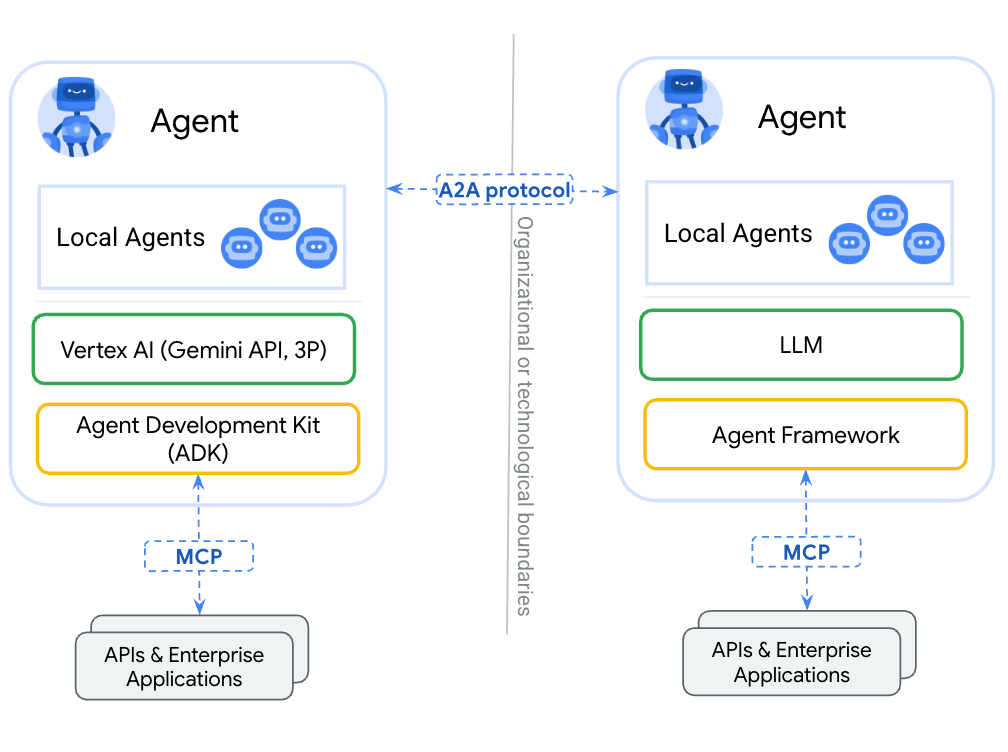
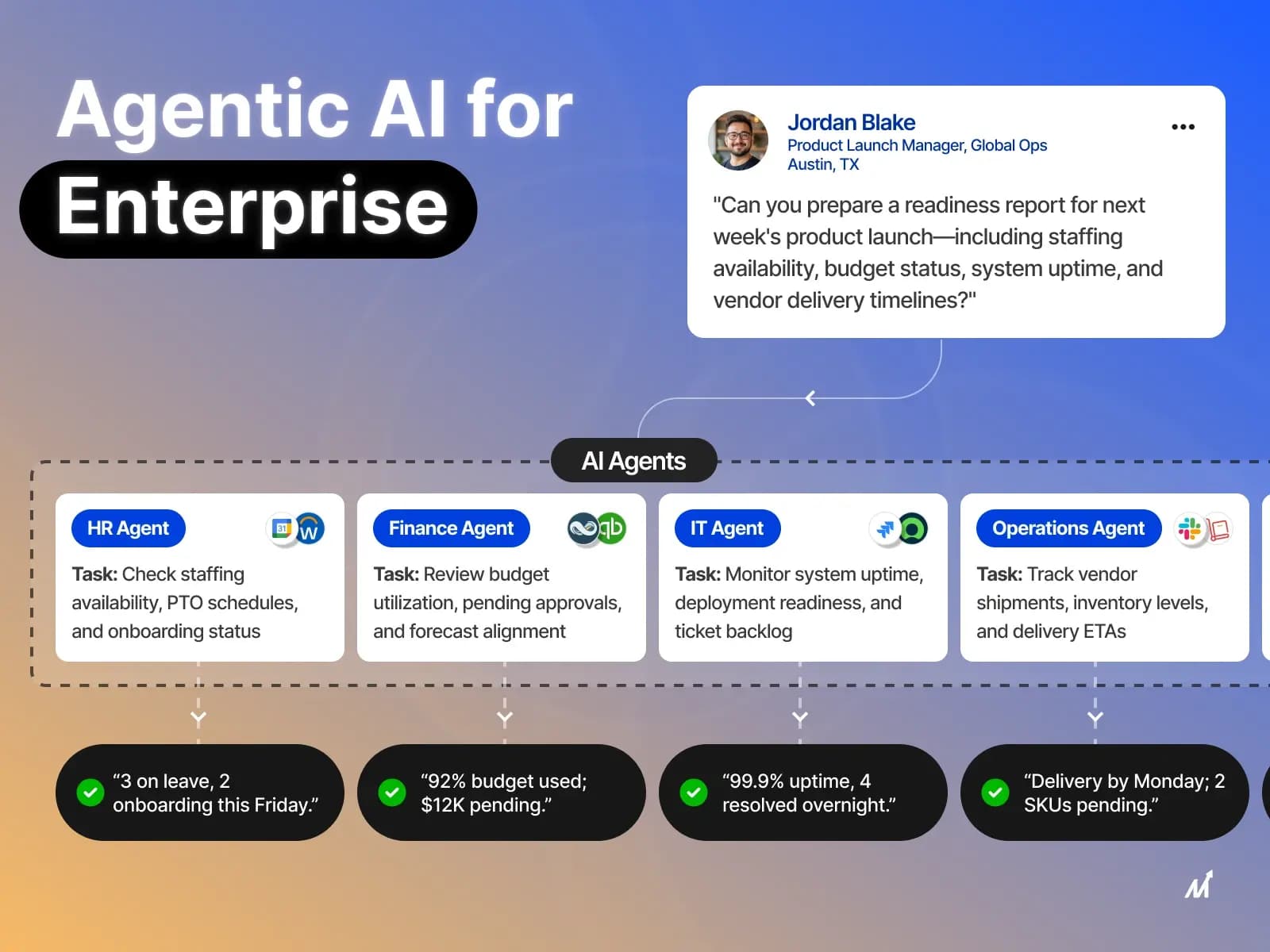
Agentic AI refers to systems where a large language model (LLM) acts as an autonomous "agent," capable of planning, executing multi-step tasks, and using tools (like search APIs or databases) to achieve a goal without step-by-step human guidance. The core technical debate for enterprises is where to apply this autonomy first.
Dell's reported focus on search implies a use case where an AI agent could understand a complex internal query from an employee, break it down, search across multiple internal databases and document repositories, synthesize the information, and provide a coherent, sourced answer. This is a high-value, lower-risk application compared to an autonomous shopping agent that must navigate subjective customer preferences, complex inventory, and financial transactions.
Retail & Luxury Implications
Dell's strategic choice is a significant signal for retail and luxury AI leaders. It underscores a critical principle: the most immediate value of agentic AI may lie in operational and knowledge work, not just in consumer-facing roles.
For a luxury conglomerate, the parallel is clear. Before deploying a fully autonomous AI personal shopper, the foundational agentic use case could be an internal creative or product intelligence assistant. Imagine an agent that can:
- Search across decades of design archives, trend reports, and material databases to answer a designer's complex inspiration query.
- Synthesize global sales data, clienteling notes, and inventory levels across all regions to prepare a briefing for a collection buy.
- Automate the compilation of compliance documentation for sustainability claims by searching and extracting data from supply chain systems.
This approach de-risks implementation. Internal agents operate within a more controlled environment with expert users, allowing teams to refine the technology's reliability, accuracy, and governance before exposing it to high-net-worth clients. The success of Frasers Group's assistant, which likely operates with more guided autonomy, shows the consumer-facing potential, but Dell's path highlights the strategic infrastructure being built behind the scenes.
Business Impact
The business impact of prioritizing search-focused agents is operational efficiency and accelerated decision-making. For retail, reducing the time designers, merchandisers, and planners spend searching for information directly translates to faster product development cycles and more informed strategic choices. The quantified success of Frasers Group's 25% conversion uplift demonstrates the tangible upside of even partially automated shopping assistance, setting a benchmark for the industry.
Implementation Approach
Implementing an enterprise search agent requires a robust data foundation:
- Knowledge Graph & Data Fabric: A unified view of internal data—from CRM and ERP to PLM and DAM systems—is non-negotiable. The agent needs structured access.
- High-Quality Embeddings: Internal documents, product specs, and image archives must be vectorized for semantic search.
- Tool Integration: The agent must be equipped with APIs to query specific systems (e.g., inventory lookup, client profile retrieval).
- Governance Guardrails: Clear policies on data access, answer provenance, and hallucination mitigation are essential for internal trust.
Governance & Risk Assessment
The primary risks for internal search agents are data leakage (ensuring the agent only accesses information the querying employee is permitted to see) and information accuracy. A confident but incorrect answer from an internal "expert" agent could lead to costly business mistakes. A rigorous evaluation framework, combining automated benchmarks and human-in-the-loop review cycles, is required before full deployment. The maturity level is early-adopter, moving toward pragmatic implementation in controlled domains.