The Innovation — What the Source Reports
Gap Inc. is rolling out a new AI-powered platform designed to enhance traceability across its complex global supply chain. While the provided source excerpt is limited, the core announcement from Retail TouchPoints indicates the initiative aims to track products from their origin as raw materials all the way to the point of sale. This represents a significant technological investment in a foundational, yet historically opaque, area of retail operations.
The deployment of AI suggests the platform will go beyond simple serial number tracking. It likely involves integrating data from various stages—sourcing, manufacturing, logistics, and distribution—and using machine learning models to provide insights, predict disruptions, and verify the provenance of materials. For a group like Gap, which operates multiple brands across vast geographies, achieving this level of visibility is a formidable challenge that AI is now being tasked to solve.
Why This Matters for Retail & Luxury
For luxury and premium retail, traceability is not just an operational metric; it is a core component of brand equity and customer trust. This move by a major global apparel retailer signals a shift in industry priorities.
- Authenticity & Provenance: Luxury consumers increasingly demand proof of ethical sourcing and authenticity. An AI-powered traceability system can provide immutable records for materials like exotic leathers, precious metals, or ethically sourced cotton, directly combating counterfeiting and supporting sustainability claims.
- Supply Chain Resilience: The platform can identify single points of failure, predict delays from specific vendors or regions, and suggest alternative routing. For time-sensitive collections and limited-edition drops, this agility is critical.
- Regulatory Compliance: Emerging regulations, particularly in the EU, are mandating greater supply chain due diligence on environmental and social matters. An automated, data-rich traceability system is essential for compliance reporting.
- Operational Efficiency: By pinpointing exactly where items are in the pipeline, brands can optimize inventory levels, reduce carrying costs, and improve fulfillment speed—a key focus for retailers like Target, as noted in the related coverage on balancing speed and accuracy in digital order fulfillment.
Business Impact
The direct business impact of such a platform, while not quantified in the source, can be inferred:
- Risk Mitigation: Reduced exposure to scandals related to unethical labor or environmental practices within the supply chain.
- Brand Value: Enhanced brand reputation through provable commitments to sustainability and transparency, potentially justifying premium pricing.
- Cost Savings: Efficiency gains in logistics and inventory management, alongside reduced losses from counterfeit goods.
- Consumer Trust: Building a data-backed narrative of product origin that resonates with modern, conscious consumers.
The initiative aligns with a broader industry trend, as highlighted by the related article on APAC retailers using AI for loss prevention. The strategic focus is shifting from reactive problem-solving to proactive, intelligence-driven management of the retail ecosystem.
Implementation Approach
Implementing a system of this scale is a multi-year, cross-functional endeavor. The technical requirements are substantial:
- Data Integration: Establishing APIs and data pipelines to connect legacy systems from hundreds of suppliers, factories, and logistics partners.
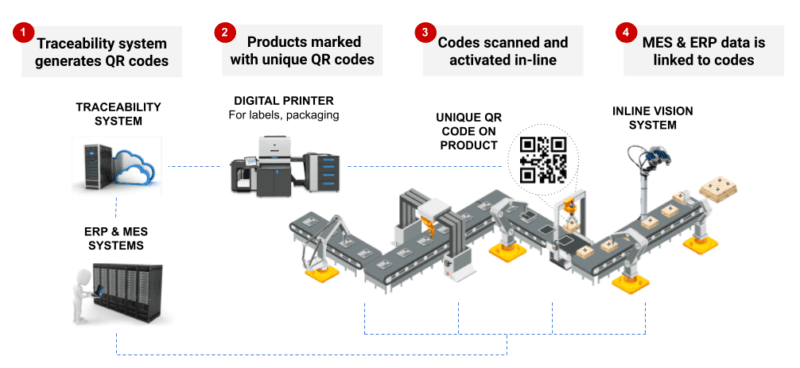
- Identity Standards: Implementing a universal product identification system (e.g., using RFID, QR codes, or blockchain-linked digital twins) that follows each item.
- AI/ML Core: Developing or licensing models for anomaly detection (e.g., unexpected delays), predictive analytics for lead times, and natural language processing to scan supplier documents for compliance.
- Change Management: Perhaps the greatest hurdle is driving adoption and consistent data entry across a decentralized supplier network.
Governance & Risk Assessment
- Data Privacy & Security: The platform consolidates highly sensitive commercial data. Robust cybersecurity and clear data governance policies with partners are non-negotiable.
- Supplier Relations: Mandating transparency from suppliers can strain relationships. The rollout must be managed as a partnership, offering value (e.g., process insights) in return for data sharing.
- Technology Maturity: While the AI components are proven in isolation, integrating them into a cohesive, global traceability solution is at the cutting edge of retail tech. Expect iterative development and potential scalability challenges.
- Cost: The investment in hardware (scanners, tags), software, and internal expertise is significant, requiring clear executive sponsorship and a defined ROI timeline.