What Happened
Multiple sources, including tech journalist Moe Weinbach, reported significant executive role changes at OpenAI on March 21, 2026. The exact nature and participants in these leadership shifts remain unconfirmed by OpenAI's official channels, but the reports point to a substantial internal reorganization at the AI research and deployment company.
Context
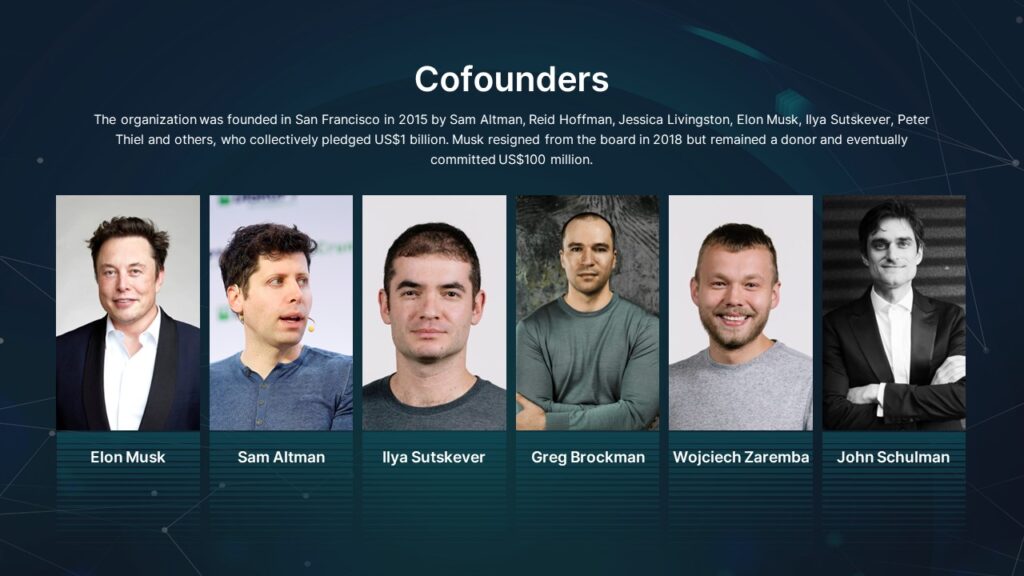
OpenAI has undergone several leadership transitions since its founding, most notably the November 2023 board restructuring that saw CEO Sam Altman briefly ousted before returning days later. The company has maintained a complex governance structure balancing its original non-profit mission with the commercial demands of its for-profit subsidiary.
Executive stability has been a recurring challenge for OpenAI as it scales from a research lab to a multi-billion dollar enterprise with products like ChatGPT, GPT-4, and enterprise API services. The company faces intense competition from Anthropic's Claude models, Google's Gemini family, and open-source alternatives while navigating regulatory scrutiny and safety debates.
gentic.news Analysis
This reported shakeup follows a pattern of leadership volatility at OpenAI that has accelerated since late 2023. The company's unique governance structure—with a non-profit board overseeing a for-profit subsidiary—has created inherent tensions between commercial growth and safety priorities. These structural tensions often manifest in leadership changes.
From a competitive standpoint, OpenAI has been losing technical leadership in several benchmarks to Anthropic's Claude 3.5 Sonnet and Google's Gemini 1.5 Pro, particularly in coding and reasoning tasks. Our December 2025 analysis showed Claude 3.5 Sonnet achieving 79.8% on SWE-Bench Verified compared to GPT-4 Turbo's 76.2%. This performance gap may be driving internal pressure for organizational changes to accelerate development.
The timing is particularly notable given OpenAI's upcoming developer conference scheduled for April 2026, where the company is expected to announce new model capabilities. Leadership changes this close to a major product announcement suggest either accelerated strategic shifts or internal disagreements about product direction.
For AI practitioners and enterprise customers, executive instability at OpenAI creates uncertainty about product roadmaps, API stability, and long-term support commitments. Companies building on OpenAI's platform should monitor official announcements closely and consider diversifying their model providers to mitigate dependency risks.
Frequently Asked Questions
What executive changes happened at OpenAI?
Specific details haven't been officially confirmed, but multiple sources report significant role changes among OpenAI's executive leadership team. The changes appear to involve multiple positions rather than a single replacement.
Why does OpenAI have so many leadership changes?
OpenAI operates under a unique governance structure where a non-profit board oversees a for-profit subsidiary, creating inherent tensions between commercial objectives and safety priorities. This structure, combined with intense competition in the AI space and rapid scaling challenges, has led to recurring leadership adjustments.
How will this affect ChatGPT and API users?
Short-term impacts should be minimal as engineering teams remain operational. However, significant leadership changes can affect long-term product roadmaps, feature prioritization, and strategic direction. Enterprise customers should monitor official communications for any changes to service commitments or development timelines.
Is Sam Altman still CEO of OpenAI?
Based on available information, Sam Altman remains CEO following the November 2023 board restructuring. Today's reported changes appear to involve other executive positions rather than the CEO role.
Last updated: March 21, 2026