OpenAI has made a significant shift in its enterprise product strategy, decoupling its Codex code-generation model from the ChatGPT Business bundle and launching it as a standalone, usage-metered product. This move transforms Codex from a bundled feature into a directly billable service that teams can pilot without committing to full ChatGPT Business licenses.
What Changed: From Bundled Perk to Metered Product
Previously, access to the Codex API (which powers GitHub Copilot and similar tools) was bundled exclusively with a ChatGPT Business seat, which carried a flat annual per-user fee. The new structure introduces two key changes:
- Codex-Only Pilot Seats: Organizations can now add team members whose access is restricted solely to the Codex API, without requiring a full ChatGPT Business license.
- Usage-Based Pricing: These Codex-only seats are charged based on token consumption (input + output), moving away from a flat per-seat fee. OpenAI has also removed rate limits for these pilot seats.
This allows engineering managers to tie API spending directly to coding tasks and productivity, rather than allocating a fixed license cost per developer.
Broader Pricing Adjustments
Concurrent with the Codex unbundling, OpenAI has adjusted pricing for its core enterprise offering:
- ChatGPT Business Annual Pricing: Reduced from $25 to $20 per user per month when billed annually.
- Introductory Credits: New annual commitments now include up to $500 in API credits.
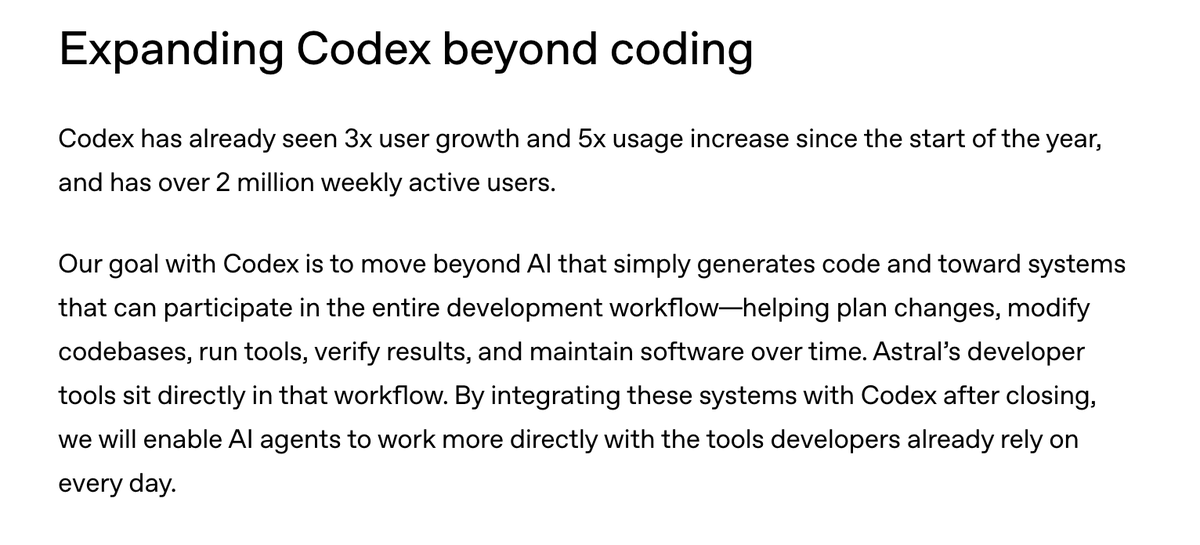
OpenAI also reported that internal usage of Codex within its own engineering teams has increased 6x year-over-year, suggesting growing reliance on the tool for internal productivity.
What This Means in Practice
For development teams, this change lowers the barrier to experimenting with Codex at scale. A team can now provision Codex API access for an entire engineering department, paying only for the tokens consumed during active code generation, review, or completion tasks. This is a more granular and potentially cost-effective model for teams with variable usage patterns.
gentic.news Analysis
This is a classic platform maturation move. By unbundling Codex, OpenAI is segmenting its enterprise market and creating a dedicated revenue line for its code-generation capabilities, which have proven to be among its most reliable and adopted products. The 6x growth in internal usage signals strong product-market fit for the coding use case, justifying a dedicated go-to-market motion.
The shift to consumption-based pricing aligns with broader cloud infrastructure trends and directly challenges GitHub Copilot's flat per-user/month fee. It allows OpenAI to compete for the budget of large engineering organizations where per-seat pricing becomes prohibitive. The concurrent reduction in ChatGPT Business pricing suggests a strategy of using the flagship product as a loss leader or competitive lever while monetizing high-utility, workflow-specific models like Codex separately.
This follows a pattern of OpenAI gradually commercializing its research models into standalone products, as seen with DALL-E API and Whisper API launches. The move also reflects increased competitive pressure in the code-assistance space from players like Amazon CodeWhisperer, Tabnine, and open-source models such as StarCoder and DeepSeek-Coder. By making Codex more accessible, OpenAI is likely aiming to solidify its market position before alternatives gain more traction.
Frequently Asked Questions
What is OpenAI Codex?
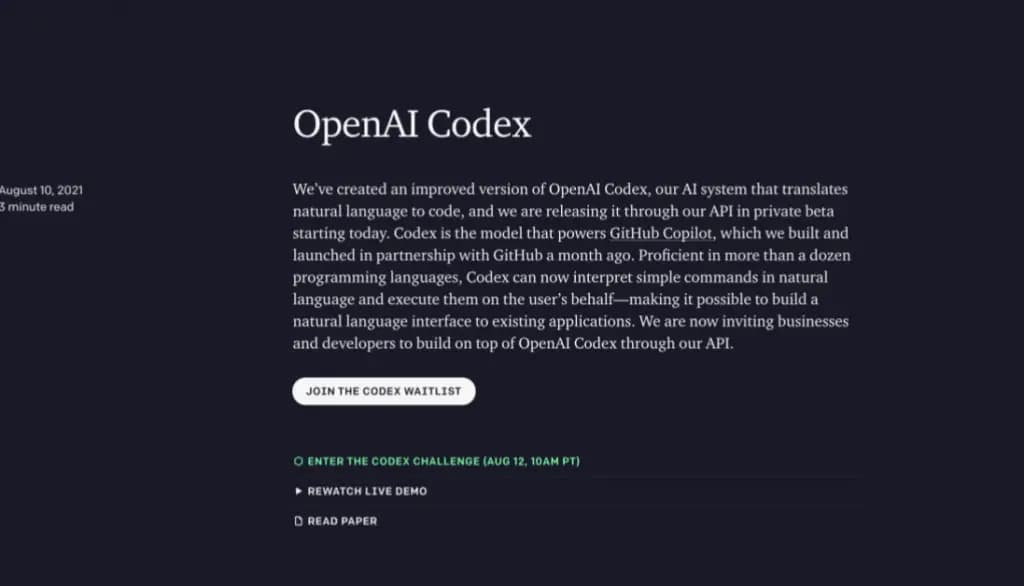
OpenAI Codex is a generative AI model specialized in understanding and generating code. It powers GitHub Copilot and is capable of translating natural language instructions into code, completing code snippets, and explaining existing code. It supports dozens of programming languages.
How much does the new Codex pilot cost?
OpenAI has not disclosed the specific per-token pricing for the new Codex-only pilot seats. Costs will be based on consumption (input and output tokens), similar to other OpenAI API models like GPT-4. Interested teams must contact OpenAI sales for pilot pricing details.
Can I use the Codex API without a ChatGPT Business subscription now?
Yes, that is the core of this change. The new "Codex-only" seat type allows organizations to grant access to the Codex API without purchasing a full ChatGPT Business license for that user. This enables targeted pilot programs for developer tools.
What are the rate limits for the Codex pilot?
OpenAI states it has "removed rate limits" for the new Codex-only pilot seats. This suggests pilot participants will have higher or unlimited throughput compared to standard API tiers, which is typical for enterprise pilot agreements to facilitate robust testing.