A viral social media post from an account claiming to represent a new Anthropic hire has sparked intense discussion in the AI engineering community. The post, which states "Anthropic engineers don't write code anymore," suggests that engineers at the Claude creator have transitioned to using AI agents to handle complete coding tasks rather than writing code manually.
What the Leak Claims
The original post, which has been widely circulated but not officially verified, claims that new hires at Anthropic are discovering that traditional software engineering work has been largely automated internally. According to the leak, engineers now work with AI agents that can take specifications and produce complete, functional code, with human engineers primarily reviewing, testing, and integrating the AI-generated code.
While the post lacks specific technical details about the agents being used, the implication is that Anthropic has developed internal tools—likely based on their Claude models—that are sophisticated enough to handle substantial portions of their own software development pipeline.
Context: The Push Toward AI Software Engineers
This report aligns with broader industry trends toward AI-assisted and eventually AI-autonomous coding. In recent years, tools like GitHub Copilot, Cursor, and various code-generation models have become standard in developer workflows. However, these have typically served as assistants rather than replacements for human engineers.
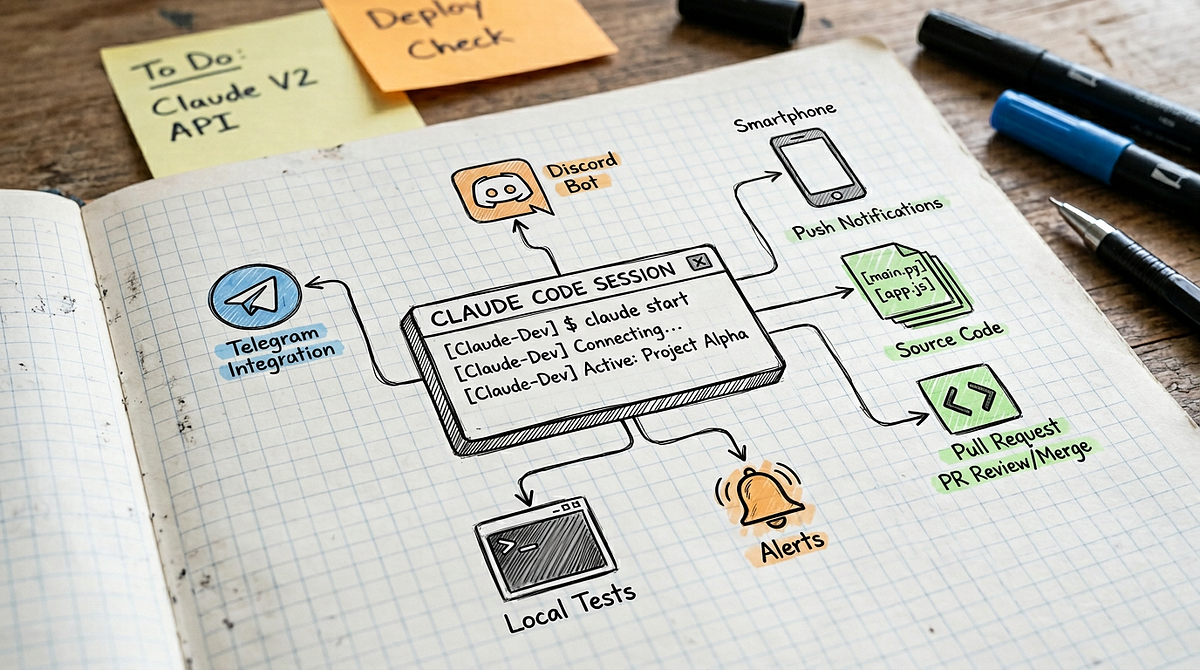
Anthropic's Claude has shown strong performance on coding benchmarks, particularly with the Claude 3.5 Sonnet release in June 2024, which demonstrated significant improvements in coding and reasoning tasks. The company has been actively developing agentic capabilities, where AI systems can break down complex tasks, use tools, and execute multi-step workflows.
If the leak is accurate, Anthropic may be among the first major AI labs to implement such systems at scale for their own internal development—essentially "dogfooding" their most advanced agent technology.
Technical Implications
For this workflow to be effective, several technical challenges would need to be solved:
- Specification Clarity: AI agents would need to understand ambiguous or incomplete requirements
- Code Quality: Generated code would need to meet production standards for security, performance, and maintainability
- Integration: Agents would need to understand existing codebases and architectural patterns
- Testing: Automated generation of comprehensive tests would be essential
Anthropic's approach likely involves sophisticated prompting, retrieval-augmented generation (RAG) from their codebase, and iterative refinement loops where human engineers provide feedback that improves subsequent generations.
Industry Impact
If verified, this development would represent a significant milestone in the evolution of software engineering. While AI coding assistants are already widespread, a shift to AI agents handling complete tasks represents a qualitative change in how software is built.
Other AI labs and tech companies would likely accelerate their own agent development efforts. The competitive pressure to automate internal development could lead to rapid improvements in coding agents, potentially affecting software engineering job markets and skill requirements.
Verification and Response
As of publication, Anthropic has not officially commented on the leak. The company typically maintains tight control over information about internal workflows and development processes. Without official confirmation or denial, the community is left to speculate based on the company's public research directions and product capabilities.
gentic.news Analysis
This report, if accurate, represents a natural evolution of trends we've been tracking since early 2024. In our March 2024 coverage of Devin, the "first AI software engineer," we noted that while fully autonomous coding agents weren't yet production-ready, the trajectory was clear. Anthropic's potential internal adoption suggests that leading labs may be further along than public benchmarks indicate.
The timing aligns with Anthropic's increased focus on agentic workflows, which CEO Dario Amodei highlighted in several 2025 interviews. This also connects to our October 2025 analysis of Claude 3.7's improved tool-use capabilities, where we noted the model showed particular strength in multi-step coding tasks.
What's particularly significant here is the scale of adoption implied by the leak. Moving from "some engineers use AI assistants" to "engineers don't write code anymore" suggests a fundamental rethinking of the software development process at one of the world's most technically sophisticated AI companies. This could pressure competitors like OpenAI, Google DeepMind, and xAI to accelerate their own agent development or risk falling behind in internal productivity.
The leak also raises questions about model evaluation. If Anthropic is using advanced agents internally, their internal benchmarks for coding capability might be significantly ahead of what they report publicly. This creates a potential asymmetry in how different organizations measure progress in AI coding capabilities.
Frequently Asked Questions
Is this leak confirmed by Anthropic?
No, Anthropic has not officially confirmed or denied the report. The information comes from a social media post claiming to be from a new hire, and its accuracy cannot be independently verified at this time.
What AI models would Anthropic be using for this?
While not confirmed, the most likely candidates are advanced versions of Claude fine-tuned for coding tasks, potentially combined with specialized agent frameworks developed internally. Anthropic has published research on Constitutional AI and agentic systems that could form the foundation for such tools.
How would this affect software engineering jobs?
If widely adopted, this approach would shift software engineering roles toward specification writing, code review, system design, and integration work rather than manual coding. Junior engineering positions might be most affected, while senior roles focusing on architecture and complex problem-solving would likely remain essential.
Could other companies implement similar systems?
Yes, but it requires both advanced AI models and significant investment in tooling and workflow redesign. Large tech companies with strong AI capabilities (Google, Meta, Microsoft) are most likely to follow suit, while smaller companies might rely on commercial solutions as they become available.