Google CEO Sundar Pichai has made a notable public prediction about the timeline for major artificial intelligence advancements, stating he expects 2027 to be a pivotal year.
What Happened
In a recent statement, Pichai said: "I expect 2027 to be a big year in which some of those shifts happen pretty profoundly." The comment was shared via a social media post by AI commentator Rohan Pandey (@rohanpaul_ai), who noted it was "a remarkably strong statement about how close this may be."
The statement appears to reference ongoing technological shifts within AI, though the specific "shifts" Pichai mentioned weren't detailed in the brief source. The prediction provides a concrete timeframe—2027—from one of the industry's most influential executives.
Context
As CEO of Alphabet and Google, Pichai oversees one of the world's largest AI research and deployment organizations, including Google DeepMind, the Gemini model family, and the Tensor processing units (TPUs) that power much of the industry's infrastructure. His timeline predictions carry weight given Google's position at the forefront of AI development.
This statement follows a pattern of increasingly specific timeline predictions from AI leaders. In recent years, executives and researchers have moved from vague forecasts about "the next decade" to more pinpointed years for anticipated breakthroughs.
What This Means in Practice
A 2027 target for "profound shifts" suggests Google is working toward specific technical milestones it believes will materialize within the next three years. For practitioners, this reinforces that the current rapid iteration cycle in model development, agentic systems, and multimodal AI is expected to continue and potentially accelerate.
gentic.news Analysis
Pichai's 2027 prediction is significant because it comes from a sitting CEO of a major AI platform, not a researcher or futurist. Google's product cycles and infrastructure investments likely inform this timeline. The company has historically operated on multi-year planning horizons—TPU development cycles, Gemini model iterations, and data center construction all follow 3-5 year timelines.
This aligns with increased competitive pressure in the foundation model space. With OpenAI's GPT-5 expected, Anthropic's Claude models advancing rapidly, and open-source models like Meta's Llama series pushing capabilities forward, 2027 represents a plausible horizon for what might be considered "Gemini 3.0" or equivalent next-generation systems. These would likely move beyond today's chat interfaces toward more autonomous, multi-step reasoning agents integrated across Google's ecosystem (Search, Workspace, Android, Cloud).
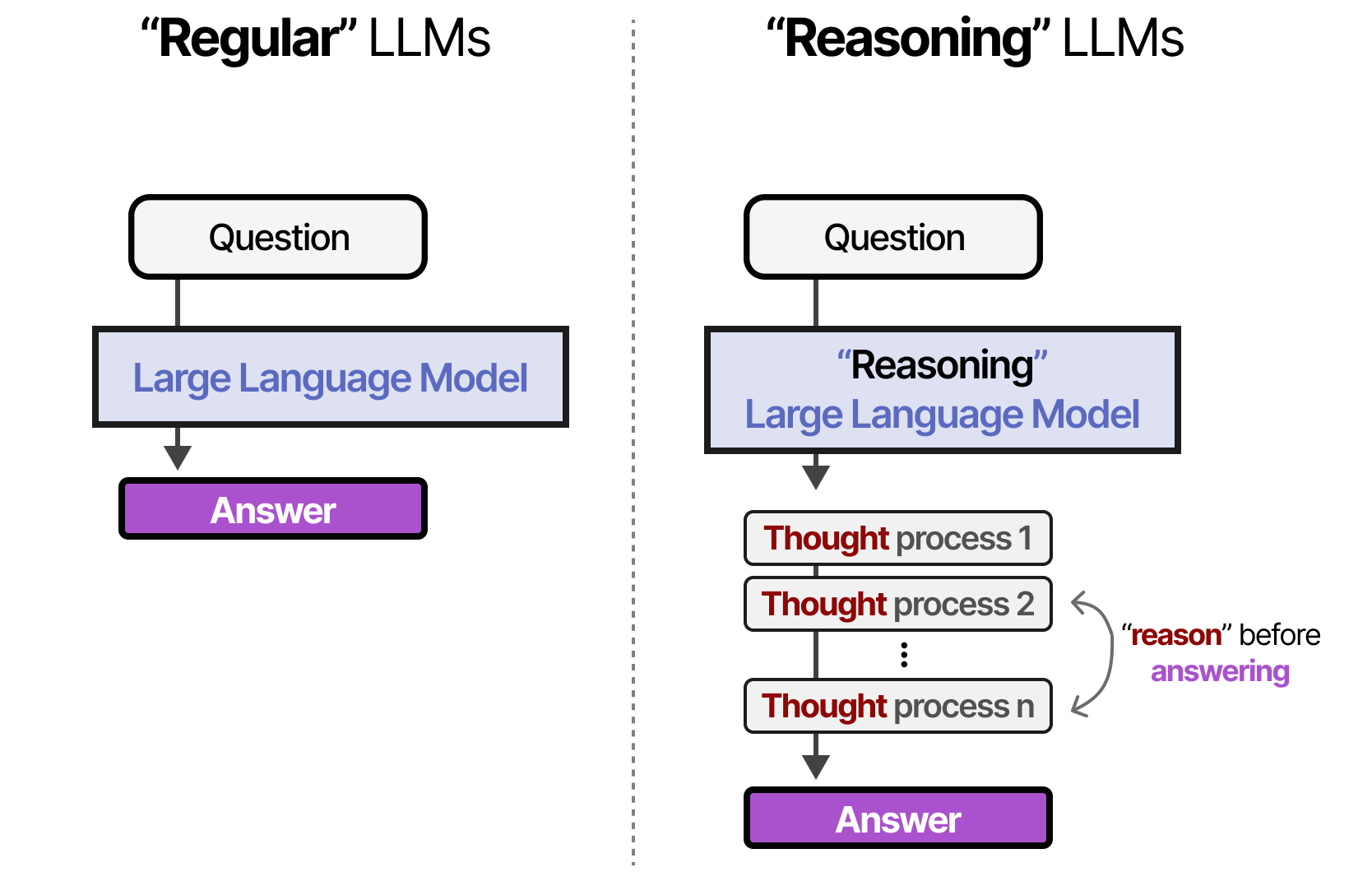
Technically, "profound shifts" could refer to several vectors: achieving reliable agentic workflows for complex tasks, breakthroughs in reasoning or planning benchmarks, truly seamless multimodal understanding (video, audio, code, text), or significant reductions in training/inference costs that change the economics of deployment. Given Google's strengths in infrastructure and scale, a 2027 breakthrough might be as much about making cutting-edge AI radically cheaper and more accessible as it is about pure capability gains.
Frequently Asked Questions
What did Sundar Pichai actually say about AI in 2027?
Sundar Pichai stated, "I expect 2027 to be a big year in which some of those shifts happen pretty profoundly." The comment was shared in a brief social media post and did not specify the exact nature of the anticipated shifts.
Why is Sundar Pichai's prediction about 2027 important?
As the CEO of Google and Alphabet, Pichai oversees one of the world's largest AI research and development organizations. His public timeline predictions are informed by Google's internal roadmaps, research progress, and infrastructure investments, making them a signal of where a major player believes the technology is headed.
What kind of AI shifts could happen by 2027?
While not specified by Pichai, potential shifts could include the widespread deployment of robust AI agents that perform multi-step tasks, major advances in reasoning and planning capabilities, seamless multimodal AI that integrates video, audio, and text understanding, or fundamental breakthroughs that drastically reduce the cost of training and running large models.
How does this 2027 prediction compare to other AI timelines?
Pichai's 2027 target is more specific than many previous high-level forecasts and falls within a range of predictions from other experts who see the mid-to-late 2020s as a period for significant AI advancement. It suggests an expectation of accelerated progress within the next three years.